Cloud Managed Services help businesses run, monitor, and improve cloud environments without managing daily operations internally. In 2026, companies rely on Cloud Managed Services to control costs, reduce outages, and keep systems stable as workloads grow. If you’re scaling fast, you’ve likely felt the pressure already.
What Cloud Managed Services Actually Mean
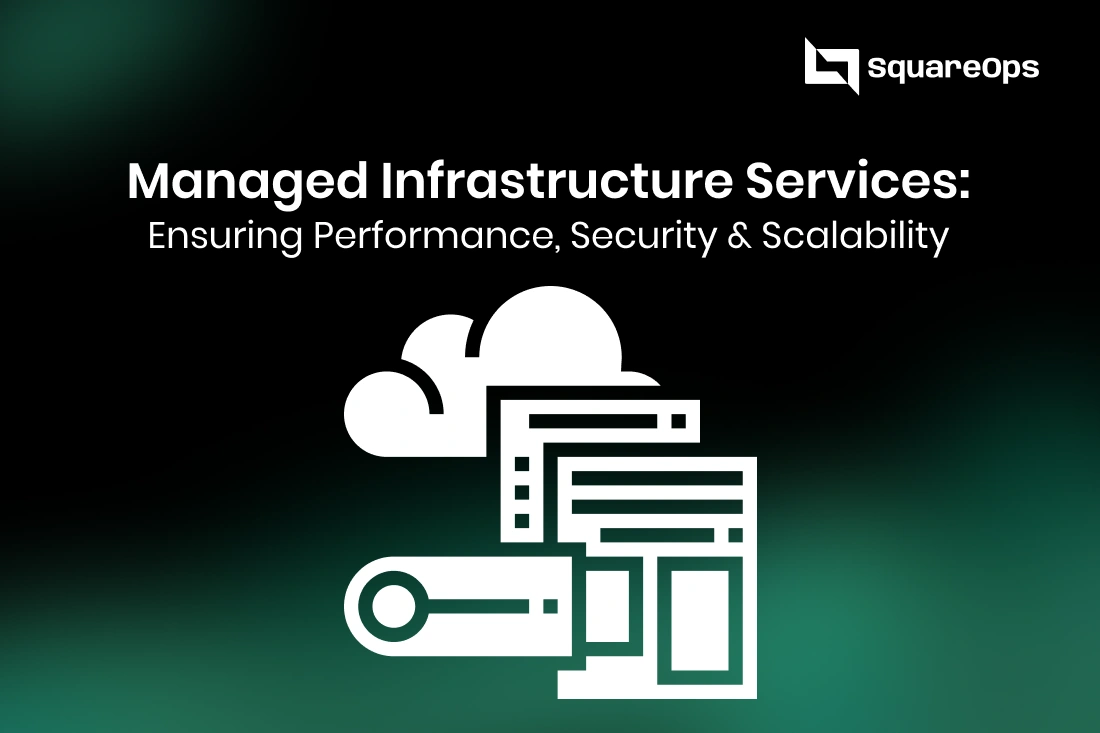
Cloud Managed Services involve outsourcing cloud operations to a dedicated provider. The provider manages infrastructure, monitoring, security, and ongoing support. You own the cloud account. The provider runs daily operations.
You build products.
The provider keeps systems running.
Cloud Managed Services usually include:
- Infrastructure management
- Performance and uptime monitoring
- Security controls and access management
- Backup and recovery checks
- Cost tracking and reporting
How Cloud Managed Services Work in 2026
A Cloud Managed Services provider connects to your cloud accounts and applies monitoring, alerts, and controls. Engineers respond to incidents and resolve issues before users notice.
- The provider manages operations.
- The cloud platform hosts workloads.
A typical workflow looks like this:
- The provider reviews the current cloud setup
- The provider installs monitoring and alerting tools
- The provider applies security and access rules
- The provider improves performance over time
- The provider shares regular health and cost reports
Cloud Managed Services follow a shared responsibility model. The provider handles operations. You control architecture, data, and business logic.
Why Businesses Use Cloud Managed Services
Reduced Operational Load
Cloud systems need constant attention. Alerts, patches, and failures never stop. Cloud Managed Services remove this burden.
- The provider handles alerts.
- Your team ships features.
Better Cost Control
Cloud bills grow fast without oversight. Cloud Managed Services track usage patterns and identify waste.
- The provider removes idle resources.
- Finance teams gain clearer forecasts.
Stronger Security
Security failures create downtime and risk. Cloud Managed Services apply access rules, audit logs, and monitoring.
- The provider enforces policies.
- The business reduces exposure.
Higher Availability
Downtime affects revenue and trust. Cloud Managed Services use monitoring and redundancy to detect issues early.
- The provider responds faster.
- Users see fewer disruptions.
Common Cloud Managed Services Use Cases
SaaS Companies
- SaaS platforms require uptime and fast releases. Even short outages affect users.
- Cloud Managed Services support CI/CD pipelines and stabilize production systems. Providers manage scaling and monitoring while teams focus on product features.
Startups
- Startups move fast with small teams. Hiring cloud specialists early is expensive.
- Cloud Managed Services replace large operations teams. They give startups access to experienced engineers without long-term hiring costs.
E-commerce Platforms
- Traffic spikes during sales and promotions increase risk. Performance issues hurt conversions.
- Cloud Managed Services manage scaling events and protect checkout flows. Providers ensure systems handle demand without failure.
Enterprises
- Enterprises run hybrid and multi-cloud environments. Governance and consistency matter.
- Cloud Managed Services centralize control, apply standards, and support compliance across teams and regions.
Cloud Managed Services vs In-House Cloud Teams
Many businesses compare outsourcing with internal hiring. The difference becomes clear at scale.
Area | In-House Cloud Team | Cloud Managed Services |
Hiring cost | High and ongoing | Predictable |
Coverage | Limited hours | 24×7 |
Skill range | Narrow | Broad |
Scaling speed | Slow | Fast |
Tooling | Manual setup | Managed systems |
Cloud Managed Services reduce long-term spend and lower hiring risk. They also improve response time during incidents.
What Cloud Managed Services Typically Include
Core Services
Most Cloud Managed Services providers deliver:
- Resource and uptime monitoring
- Incident response
- Patch and update management
- Backup and recovery checks
Advanced Services
Many providers also offer:
- Security monitoring and alerting
- Cost optimization and reporting
- Performance tuning
- Compliance support
Scaling With Growth
- As workloads grow, service coverage increases. The provider adjusts monitoring, support levels, and tooling.
- Cloud Managed Services scale alongside business demand.
2026 Cost Breakdown for Cloud Managed Services
Pricing depends on cloud usage, service scope, and support level.
Common Pricing Models
- Percentage of cloud spend: Usually 10%–18%
- Fixed monthly fee: Often $1,500–$12,000+
- Service-based pricing: Per workload or account
Each model suits different growth stages.
Key Cost Factors
Several factors affect pricing:
- Number of cloud accounts
- Size and complexity of production workloads
- Security and compliance needs
- Required response times
Cloud Managed Services reduce billing surprises and improve financial clarity over time.
Cloud Platforms Supported in 2026
Most Cloud Managed Services providers support major platforms:
- AWS
- Microsoft Azure
- Google Cloud
The provider manages resources.
The cloud platform delivers compute and storage.
Multi-cloud usage is common in 2026. Cloud Managed Services simplify operations across providers.
When Cloud Managed Services Make Sense
You should consider Cloud Managed Services if:
- Outages affect revenue or user trust
- Cloud costs increase without clear insight
- Security reviews slow product releases
- Teams lack cloud operations expertise
Cloud Managed Services fit growth-focused companies that want stability without internal overhead.
Risks and How to Manage Them
Vendor Dependence
- Some providers limit access or visibility.
- You reduce this risk by keeping account ownership and audit rights.
Limited Reporting
- Poor reporting hides issues and costs.
- You avoid this by requiring dashboards, alerts, and regular reports.
- Cloud Managed Services work best with clear SLAs and shared processes.
How to Choose the Right Cloud Managed Services Provider
Look for a provider that:
- Offers 24×7 monitoring and response
- Shares clear escalation paths
- Provides cost and security reports
- Supports your cloud platforms
Final Perspective
Cloud Managed Services help businesses scale cloud systems without constant firefighting. They reduce operational pressure, improve security, and support steady performance. In 2026, companies treat Cloud Managed Services as a core operational layer, not an add-on.
If you want dependable Cloud Managed Services with strong cost control, security focus, and clear reporting, SquareOps supports businesses across cloud operations.
Talk to SquareOps to see how Cloud Managed Services can support your growth in 2026.