Introduction
In 2026, companies are incredibly dependent on the cloud. Cloud computing fuels everything from customer applications and internal tools to large-scale data processing, both for startups and global enterprises. But along with this shift comes an immediate challenge: protecting cloud environments against a rapidly evolving threat landscape.
The truth is that well-established cloud security has become mandatory. With increasing data breaches, ransomware attacks, and regulatory pressures, modern businesses need to invest in cloud security solutions that will allow them to protect their infrastructure, secure customer data, and maintain customer trust.
This article examines why cloud security is important, the dangers of operating without it, and what solutions work for businesses to make it resilient and compliant in 2026.
What Are Cloud Security Solutions?
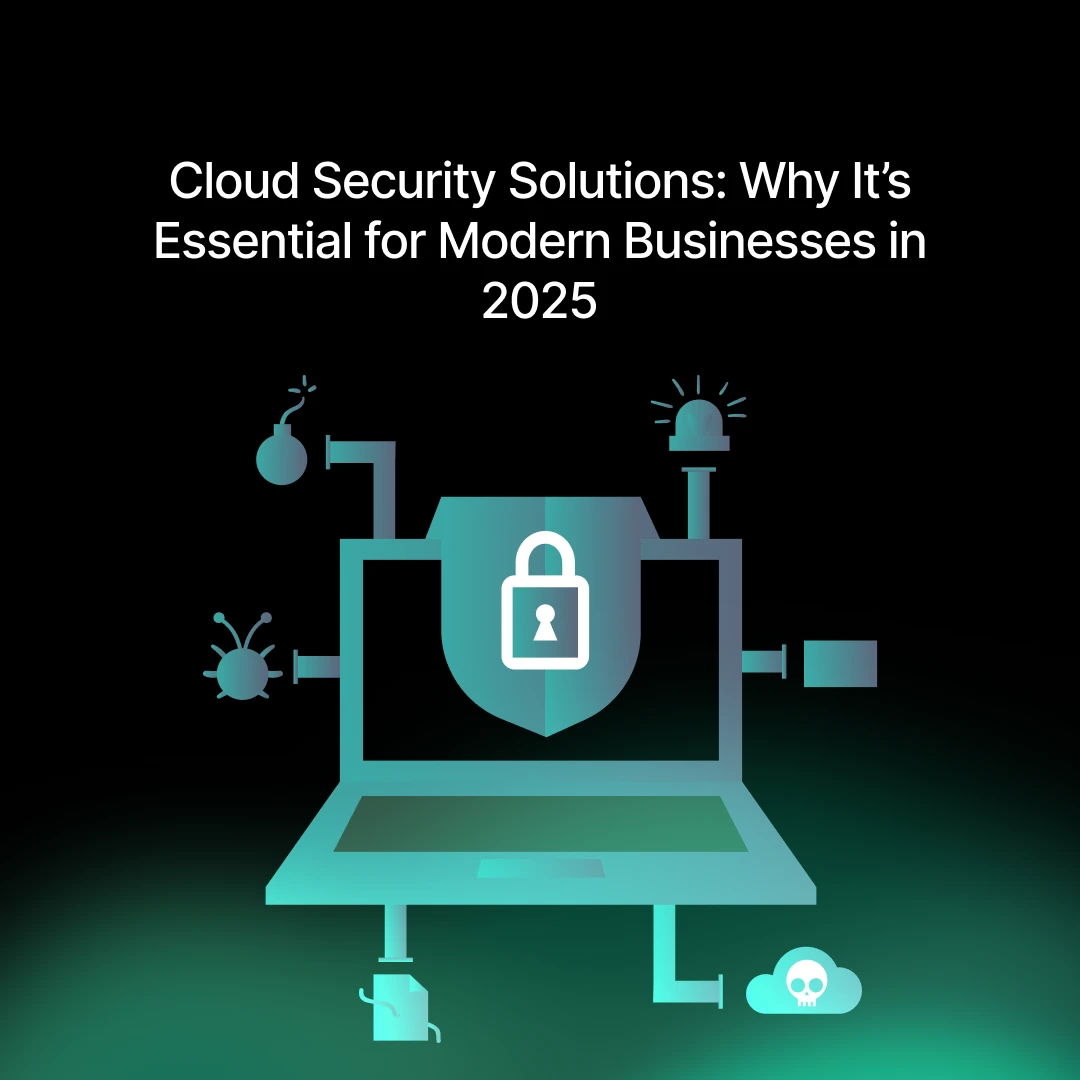
Cloud security solutions include the technologies, tools, and best practices used to secure cloud infrastructure, applications, and data from unauthorized access, theft, and other threats.
These solutions may include:
- Encryption of data (both at rest and in transit)
- Risk detection and incident response
- Monitoring and reporting on compliance
- DevSecOps practices
- Security of workloads and containers
Cloud security tools may be native to the cloud provider, such as AWS, Azure, or GCP, or they may be third-party platforms that provide centralized management across multi-cloud environments.
Why Cloud Security Is Important for Modern Businesses
Businesses today are cloud-first, running applications in public, private, and hybrid clouds. While this provides flexibility and scalability, it also adds complexity and therefore potential security weaknesses.
Why Cloud Security Is Non-Negotiable in 2026
- Growing Attack Surface: Multi-cloud deployments, remote teams, and API integrations create more potential entry points for attackers.
- Increase in Data Breaches and Ransomware: Cloud environments store vast amounts of sensitive data, making them prime targets for cybercriminals.
- Regulatory Requirements: Compliance frameworks such as SOC 2, HIPAA, ISO 27001, and GDPR require strict security and data protection standards.
- Confusion Around Shared Responsibility: Companies often assume cloud providers handle all security aspects. While providers secure the infrastructure, customers are responsible for securing data, identities, configurations, and access.
- Downtime and Brand Reputation: Security incidents result in expensive downtime, legal exposure, and loss of customer trust often worse than the breach itself.
Top Threats from an Unsecured Cloud Environment
Without a security strategy, organizations risk exposure to various threats, including:
- Misconfigured services (e.g., open S3 buckets, exposed ports)
- Overly permissive access policies and IAM role misuse
- Limited visibility into cloud logs and activity
- Unencrypted sensitive data
- Lack of monitoring for suspicious activity
- DevOps hygiene issues, such as weak container security, embedded secrets, and unpatched infrastructure
These challenges often go unnoticed until a breach occurs by then, it's too late.
Best Practices for an Ideal Cloud Security Solution
To be effective, cloud security solutions should cover various layers and workflows:
Identity & Access Management (IAM)
- Implement role-based access control (RBAC)
- Enforce least privilege
- Require multi-factor authentication (MFA)
- Conduct regular audits
Encryption
- Encrypt data at rest (S3, RDS, EBS) and in transit (TLS)
- Securely manage keys with AWS KMS and Azure Key Vault
Threat Detection & Incident Response
- Use AWS GuardDuty and third-party tools to detect suspicious behavior
- Set up alerts and automated responses
Compliance Automation
- Use AWS Config, Security Hub, or Prisma Cloud for compliance monitoring
- Automate audit and certification reporting
Policy Enforcement
- Implement policy-as-code tools (OPA, Sentinel) for governance
DevSecOps Integration
- Integrate security scanning into CI/CD pipelines
- Validate code, infrastructure, and configurations before deployment
Types of Cloud Security Solutions
There is no one-size-fits-all approach to cloud security. Here are potential tools for different environments, team sizes, and compliance needs:
Cloud Provider-Native Tools
- AWS: IAM, GuardDuty, Config, Security Hub, WAF & Shield
- Azure: AD, Key Vault, Security Center
- Google Cloud: IAM, Security Command Center, Cloud Armor, Confidential Computing
Third-Party Security Platforms
- Wiz: Agentless security for misconfiguration and vulnerability detection
- Palo Alto Prisma Cloud: Cloud-native application protection
- Orca Security: Deep workload scanning with rich context
- Lacework: Behavioral threat detection
- Check Point CloudGuard: Multi-cloud security and compliance
SIEM and Extended Detection Tools
- Splunk
- Microsoft Sentinel
- Datadog Security Monitoring
Business Outcomes of Cloud Security
A strong cloud security strategy leads to:
- Better consumer trust (especially for SaaS, fintech, and healthcare)
- Quicker compliance (SOC 2, HIPAA, ISO 27001)
- Reduced downtime and incident response costs
- Increased deterrence against cyberattacks
- Faster, safer product delivery
How SquareOps Provides Cloud Security From Start to Finish
At SquareOps, we specialize in addressing cloud security challenges for startups, SMBs, and enterprises with secure, agile, and scalable cloud infrastructure.
Our Key Offerings:
- Security Posture Assessment: Identify misconfigurations, access risks, and compliance gaps
- IAM and Access Governance: Implement least privilege and federated access
- Threat Detection & Monitoring: Real-time detection with SIEM tools, alerting, and auto-remediation
- Compliance Automation: SOC 2, HIPAA, and GDPR readiness with AWS Config, Prisma, and reporting automation
- DevSecOps Implementation: Container scanning, IaC analysis, policy-as-code, and secrets management
Conclusion
Cloud security is no longer a technical concern it’s a strategic imperative. Businesses must act now to defend their cloud environments against downtime, breaches, and reputational damage.
By integrating the right cloud security solutions with DevSecOps practices, and partnering with SquareOps, you can achieve the protection and agility required to scale confidently. Contact SquareOps to secure your cloud environment today.