Introduction
DevOps is evolving rapidly, with automation, AI, security, and cloud innovations shaping the way organizations develop, deploy, and manage applications. As businesses seek faster, more reliable software delivery, the adoption of AI-driven automation, GitOps, NoOps, and DevSecOps is transforming traditional DevOps practices.
In this article, we will explore the top DevOps trends for 2026 and how they can impact businesses. Whether you are a developer, DevOps engineer, or CTO, these insights will help you stay ahead of the curve and prepare for the future of software development.
The Rise of AI and Machine Learning in DevOps
AI-Powered Automation in CI/CD Pipelines
Artificial Intelligence is increasingly being integrated into DevOps workflows, improving automation, efficiency, and security. AI-driven solutions can:
- Automate CI/CD pipeline optimizations, reducing deployment failures.
- Predict potential bottlenecks using anomaly detection.
- Enhance auto-remediation, reducing manual intervention in system failures.
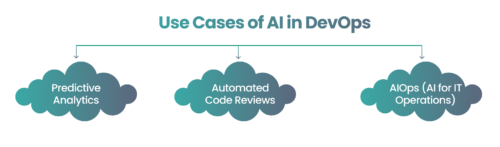
Use Cases of AI in DevOps
- Predictive Analytics: AI can analyze historical deployment data to forecast potential failures.
- Automated Code Reviews: AI tools like GitHub Copilot assist developers in writing better code.
- AIOps (AI for IT Operations): Solutions like AWS AI DevOps Guru detect and resolve infrastructure issues.
Key Tools for AI-Driven DevOps
- GitHub Copilot – AI-powered code completion.
- AWS AI DevOps Guru – Predictive issue resolution.
- Dynatrace – AI-driven monitoring and observability.
GitOps and Infrastructure as Code (IaC) Evolution
The Shift Towards GitOps for Infrastructure Management
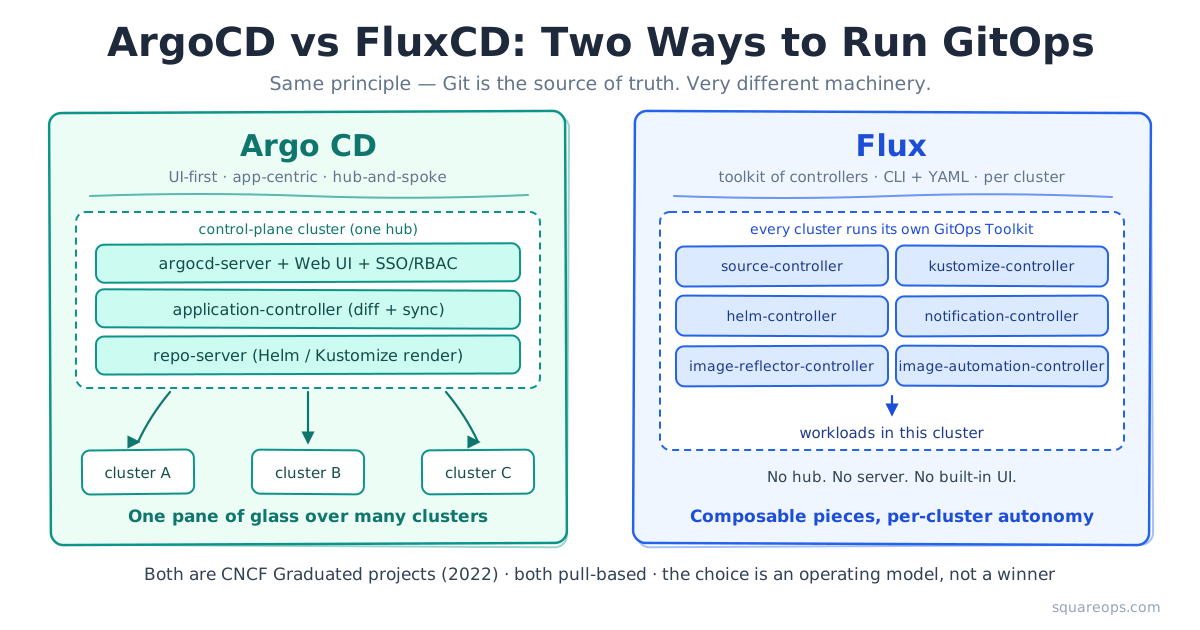
GitOps is becoming the standard for infrastructure automation, providing version control and declarative infrastructure. Benefits include:
- Consistent and repeatable deployments using Git as a single source of truth.
- Automated rollbacks in case of failures.
- Faster deployment pipelines with improved security.
Infrastructure as Code (IaC) Growth
Infrastructure as Code (IaC) is evolving with tools like:
- Terraform – Multi-cloud IaC automation.
- Pulumi – Code-driven infrastructure.
- Crossplane – Kubernetes-native IaC management.
NoOps and Hyper-Automation: The Next Level of DevOps
What is NoOps?
NoOps refers to fully automated IT operations, where minimal human intervention is required. This is achieved using:
- Serverless computing (AWS Lambda, Azure Functions).
- AI-driven auto-healing infrastructure.
- Self-managed Kubernetes clusters.
How Hyper-Automation is Changing DevOps
Hyper-automation involves combining AI, machine learning, and RPA (Robotic Process Automation) to streamline operations. Key impacts include:
- Reduced manual workloads for DevOps teams.
- Faster troubleshooting and auto-remediation.
- Improved efficiency and security in cloud environments.
The Expanding Role of Security: DevSecOps Becomes the Standard
Why DevSecOps is a Must in 2026
With increasing cybersecurity threats, DevSecOps ensures security is embedded in every stage of development. Key benefits:
- Automated security testing (SAST, DAST, RASP) in CI/CD pipelines.
- Zero Trust architecture, preventing unauthorized access.
- Supply chain security, preventing vulnerabilities in third-party dependencies.
Key Security Practices in DevOps
- Shift-left security – Integrating security testing early in development.
- Use of SBOMs (Software Bill of Materials) – Tracking open-source dependencies.
- Container Security – Scanning Docker/Kubernetes environments.
Recommended Tools:
- Snyk – Automated vulnerability scanning.
- Aqua Security – Container security.
- Checkmarx – Static code security analysis.
Kubernetes and Cloud-Native DevOps Trends
Kubernetes Automation and Orchestration
Kubernetes continues to dominate container orchestration, with trends like:
- Kubernetes Operators for managing workloads.
- KNative for serverless applications.
- OpenTelemetry for observability and monitoring.
The Role of Edge Computing in DevOps
Edge computing enables faster application processing, reducing latency. Use cases include:
- 5G-powered applications.
- AI-driven IoT analytics.
- Distributed cloud infrastructure.
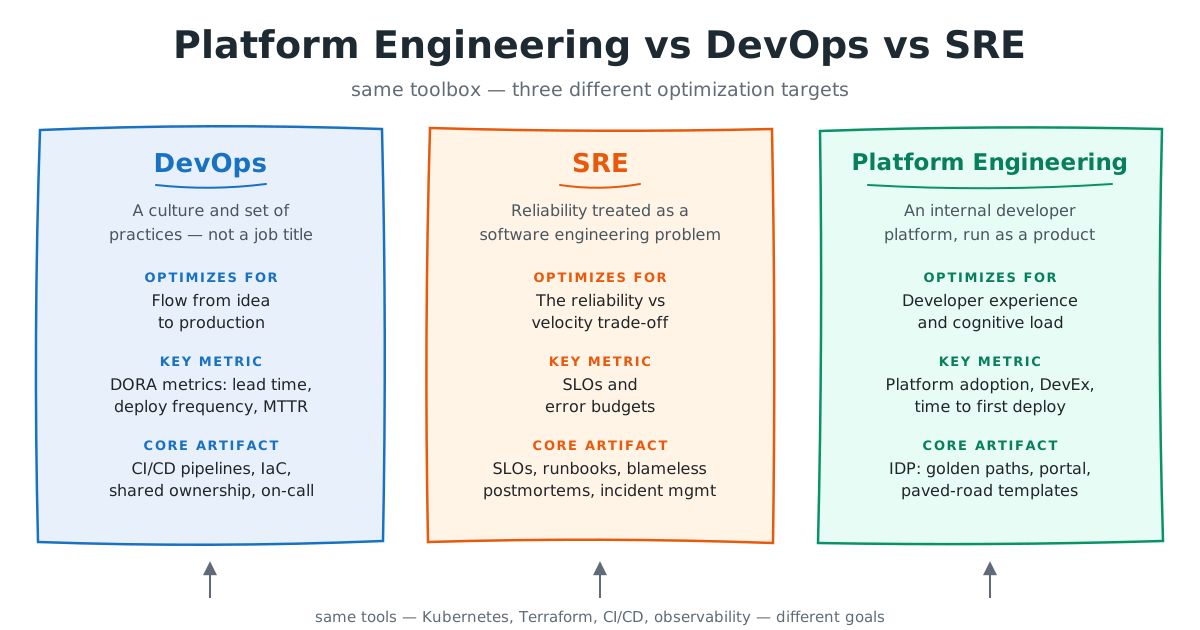
Platform Engineering: Enhancing Developer Productivity
The Rise of Internal Developer Portals (IDPs)
Platform Engineering enables self-service DevOps, improving developer experience with:
- Automated workflow management.
- Standardized deployment templates.
- Self-service infrastructure provisioning.
Popular Tools:
- Atmosly - Self-Service DevOps Platform
- Backstage – Internal developer portal.
- Humanitec – Cloud-native developer platforms.
- Cortex – Service catalog and platform management.
FinOps and Cost Optimization in DevOps
How FinOps is Reshaping Cloud Cost Management
FinOps (Financial Operations) is crucial for optimizing cloud expenses. Key strategies:
- Cloud cost monitoring using AI-driven tools.
- Cost forecasting and budgeting.
- Automated scaling to reduce waste.
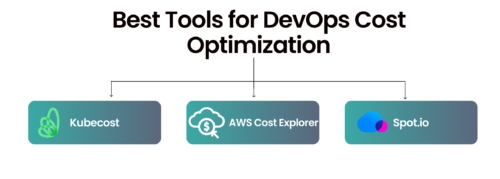
Best Tools for DevOps Cost Optimization
- Kubecost – Kubernetes cost monitoring.
- AWS Cost Explorer – Cloud cost management.
- Spot.io – Automated cost-saving strategies.
The Future of CI/CD: Smarter, Faster, and More Scalable Pipelines
Emerging CI/CD Trends
- Event-driven pipelines, reducing delays.
- Progressive delivery methods (blue-green, canary deployments).
- AI-powered deployment monitoring.
Popular CI/CD Tools in 2026
- ArgoCD – Kubernetes-native continuous delivery.
- Jenkins X – Cloud-native CI/CD automation.
- GitHub Actions – Integrated automation workflows.
Conclusion: Preparing for the Future of DevOps
The DevOps landscape in 2026 is evolving with AI, automation, security, and cloud-native technologies playing a crucial role. Organizations must embrace these innovations to enhance efficiency, security, and scalability.
How SquareOps Can Help
At SquareOps, we help businesses adopt cutting-edge DevOps solutions, automate workflows, and optimize cloud operations.
Book a free consultation today to future-proof your DevOps strategy.