Cloud infrastructure is no longer just an IT function, it's the backbone of modern business operations.
Applications must scale instantly. Deployments must happen faster. Security threats are constant. Downtime is unacceptable. And customers expect seamless digital experiences 24×7.
But managing cloud infrastructure in-house is increasingly complex and resource-intensive.
That’s why businesses turn to a Managed Service Provider (MSP).
The right MSP doesn’t just manage your infrastructure it becomes a strategic partner in ensuring performance, security, scalability, and cost control.
In this guide, you’ll learn:
- What a Managed Service Provider (MSP) is
- What services an MSP provides
- Why businesses hire MSPs for cloud operations
- Key benefits of partnering with an MSP
- How to choose the right MSP
- Common mistakes to avoid
- Questions to ask before signing a contract
If you’re evaluating outsourcing cloud operations, this guide will help you make an informed decision.
What Is a Managed Service Provider (MSP)?
A Managed Service Provider (MSP) is a third-party company that remotely manages and maintains a business’s IT infrastructure, cloud environments, and operational systems on an ongoing basis.
Unlike traditional IT support which typically follows a break-fix model an MSP provides:
- Proactive monitoring
- Continuous optimization
- Security management
- 24×7 support
- SLA-backed service commitments
In cloud environments, a cloud MSP focuses specifically on operating, securing, and optimizing workloads across platforms such as AWS, Azure, and GCP.
The goal is simple: prevent issues before they impact business operations.
What Does a Cloud Managed Service Provider Do?
A modern MSP for cloud operations typically provides:
Cloud Infrastructure Management
Managing compute, storage, networking, and virtual machines across cloud platforms.
DevOps & Automation Support
- CI/CD pipeline management
- Infrastructure as Code (IaC)
- Kubernetes cluster management
- Deployment optimization
Monitoring & Observability
Real-time infrastructure monitoring ensures rapid incident detection.
Security & Compliance Management
- IAM governance
- Vulnerability scanning
- Policy enforcement
- Compliance alignment (SOC 2, ISO, etc.)
Cloud Cost Optimization
- Rightsizing resources
- Eliminating unused assets
- Budget tracking & reporting
Backup & Disaster Recovery
Ensuring data protection and rapid recovery in case of failure.
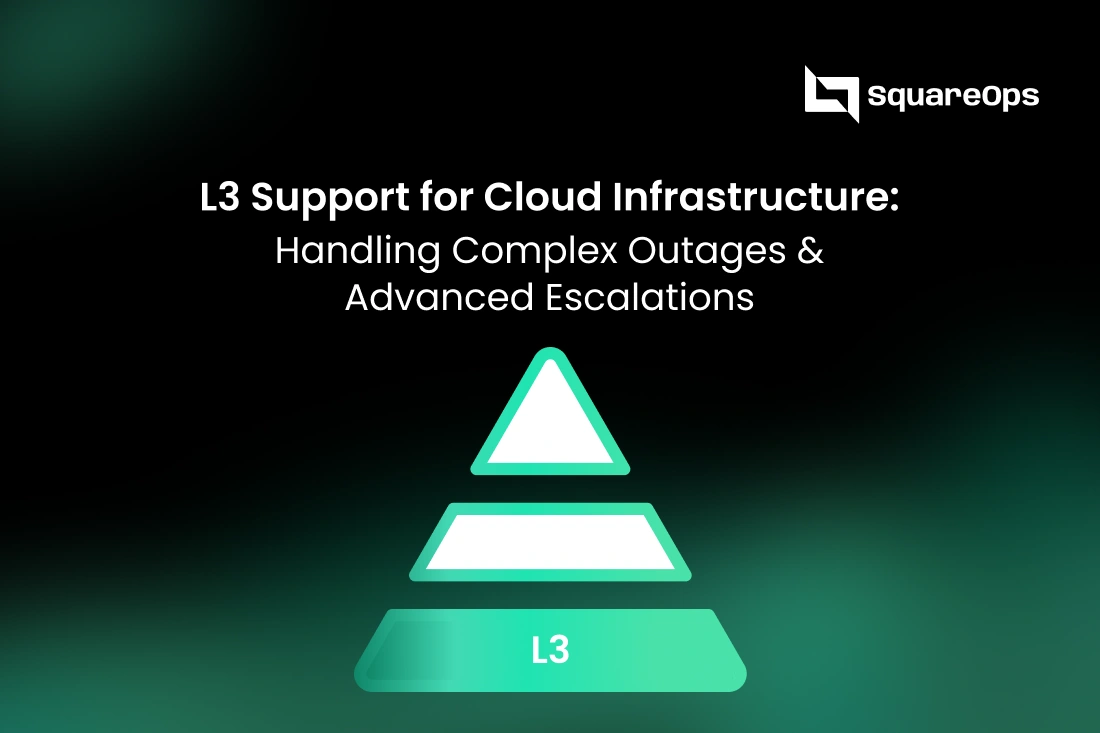
L1, L2 & L3 Support
Tiered support ensures everything from alert monitoring to architectural issue resolution.
Companies like SquareOps deliver comprehensive cloud managed services designed to provide 24×7 operational stability.
Why Businesses Hire a Managed Service Provider
Reduce Operational Complexity
Cloud environments grow complex quickly. MSPs centralize management.
Access Multi-Cloud Expertise
Hiring experts for AWS, Azure, and GCP individually is expensive. MSPs provide diverse skillsets.
24×7 Monitoring & Support
Downtime doesn’t follow business hours.
Improve Security Posture
MSPs implement structured security frameworks.
Control Cloud Costs
Proactive monitoring reduces unnecessary spending.
Enable Faster Innovation
Internal teams focus on product development not infrastructure firefighting.
Key Benefits of Partnering with an MSP
Predictable Costs
Instead of fluctuating operational expenses, MSPs offer structured pricing.
Reduced Downtime
Proactive monitoring prevents major outages.
Improved Deployment Stability
DevOps optimization reduces release failures.
Stronger Compliance Readiness
Continuous auditing ensures regulatory alignment.
Scalable Infrastructure
As business grows, infrastructure scales accordingly.
Signs Your Business Needs a Managed Service Provider
You may need an MSP if:
- Cloud costs are rising unpredictably
- Infrastructure incidents occur frequently
- Internal teams are overwhelmed
- Security gaps are identified
- You lack 24×7 monitoring
- Deployment failures delay releases
If two or more apply, outsourcing may be beneficial.
MSP vs In-House IT Team
Factor | In-House Team | Managed Service Provider |
Hiring Cost | High | Predictable |
24×7 Coverage | Rare | Standard |
Skill Diversity | Limited | Multi-domain |
Scalability | Slow hiring | Immediate |
Continuous Optimization | Inconsistent | Structured |
While in-house teams provide familiarity, MSPs offer scalability and breadth of expertise.
How to Choose the Right Managed Service Provider
Choosing an MSP is a strategic decision. Here’s how to evaluate options:
1. Assess Technical Expertise
Look for proven experience in:
- Cloud platforms (AWS, Azure, GCP)
- Kubernetes
- Infrastructure automation
- DevOps processes
2. Check Certifications
Certified cloud engineers demonstrate credibility.
3. Evaluate 24×7 Support Capabilities
Ensure they offer round-the-clock monitoring.
4. Review Security Framework
Security must be proactive, not reactive.
5. Understand SLA Commitments
Ask about guaranteed response times and uptime targets.
6. Analyze Case Studies
Look for demonstrated success in similar industries.
7. Ensure Transparent Pricing
Avoid hidden costs and unclear billing models.
MSP for Multi-Cloud & DevOps Environments
Modern MSPs manage:
- Multi-cloud workloads
- Containerized applications
- CI/CD automation
- Infrastructure as Code
- Continuous performance optimization
Providers like SquareOps integrate DevOps practices into managed services, ensuring both operational stability and innovation speed.
Common Mistakes to Avoid When Choosing an MSP
- Choosing based solely on price
- Ignoring security posture
- Not reviewing SLA terms
- Overlooking scalability capabilities
- Failing to assess DevOps maturity
- Not clarifying escalation processes
An MSP should align with long-term business strategy, not just immediate cost savings.
Questions to Ask Before Signing With an MSP
- What is your escalation process?
- How do you handle major outages?
- What cloud platforms do you specialize in?
- How do you optimize cloud costs?
- What monitoring tools do you use?
- What security standards do you follow?
- What SLAs do you guarantee?
The answers will reveal operational maturity.
Real-World Example
A growing SaaS company struggles with:
- Deployment instability
- Rising cloud bills
- Limited monitoring visibility
After partnering with an MSP:
- CI/CD pipelines automated
- Monitoring centralized
- Costs optimized
- Downtime reduced
The result? Faster releases and improved customer trust.
Why the Right MSP Becomes a Strategic Partner
The best MSPs go beyond infrastructure management.
They:
- Align technology with business goals
- Improve operational maturity
- Enable digital transformation
- Support scaling without chaos
- Protect brand reputation
The relationship should feel like an extension of your internal team.
Conclusion
Cloud operations are too critical to leave unmanaged.
A reliable Managed Service Provider (MSP) ensures your infrastructure remains secure, scalable, and optimized for performance. From 24×7 monitoring and DevOps automation to cost control and compliance governance, the right MSP becomes a strategic growth partner.
Choosing the right MSP requires careful evaluation of expertise, security practices, scalability, and SLA commitments.
When done right, outsourcing cloud operations reduces risk, accelerates innovation, and improves long-term business resilience.
Choose a Managed Service Provider That Powers Growth
Struggling with cloud complexity, rising costs, or infrastructure instability?
The cloud and DevOps experts at SquareOps deliver structured, SLA-backed Managed Service Provider solutions designed to ensure performance, security, and scalability.
Gain 24×7 monitoring. Optimize cloud costs. Accelerate innovation.
Book a free cloud operations assessment today and discover how the right MSP can transform your infrastructure into a competitive advantage.