Introduction
DevOps tooling changed more in the past year than in the three before it. AI agents now open pull requests, investigate incidents and fix vulnerabilities. Core tools such as Terraform, Prometheus and Grafana shipped major releases. And some familiar names changed: Jenkins X became JayeX, and AWS is retiring DevOps Guru.
This guide covers five tools that belong in most cloud-native stacks in 2026, one for each stage of delivery. For each, you get what it is best at, practical use cases, what is new this year and what it connects to. After that, we cover the AI-powered tools worth adding on top.
What is DevOps?
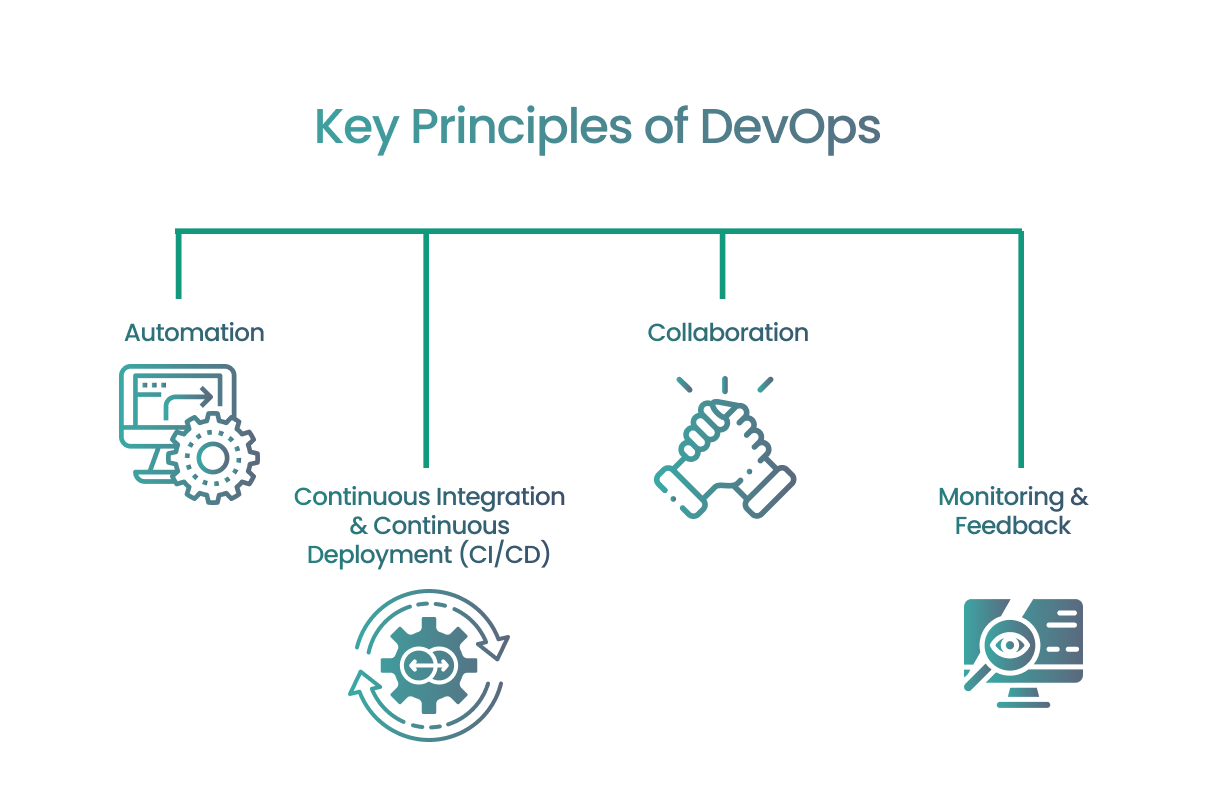
DevOps is a software development methodology that integrates development (Dev) and IT operations (Ops) to streamline software delivery. It emphasizes automation, collaboration, continuous integration, continuous deployment (CI/CD), and monitoring to improve efficiency and software quality.
Key Principles of DevOps:
- Automation – Reducing manual tasks in development, testing, and deployment.
- Continuous Integration & Continuous Deployment (CI/CD) – Ensuring seamless code integration and faster releases.
- Collaboration – Breaking down silos between development and operations teams.
- Monitoring & Feedback – Using observability tools to detect performance issues and optimize applications.
By implementing DevOps, organizations can accelerate software delivery, reduce errors, and enhance system reliability.
What is a DevOps Tool?
A DevOps tool is software that helps automate and streamline DevOps practices, making it easier for teams to develop, deploy, and manage applications efficiently. These tools cover various aspects of DevOps, including:
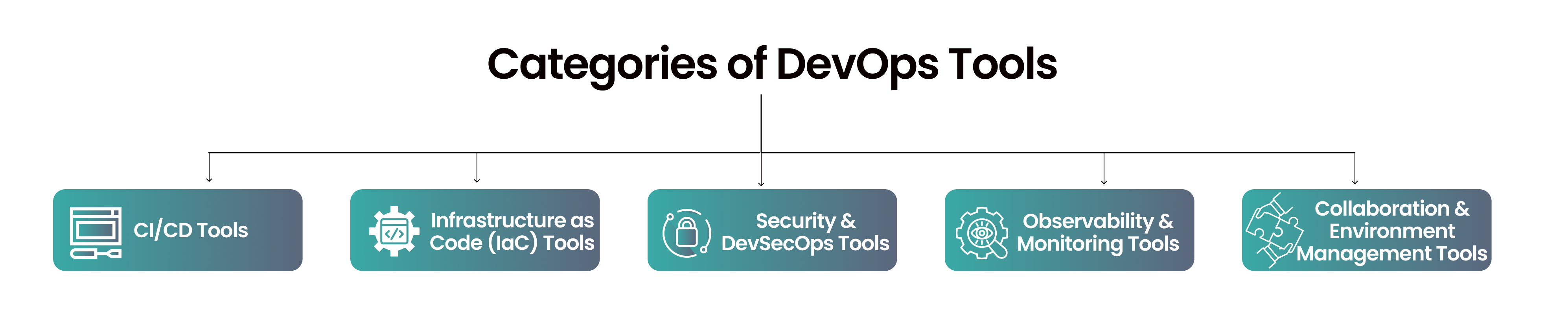
Categories of DevOps Tools:
- CI/CD Tools – Automate build, test, and deployment pipelines.
- Infrastructure as Code (IaC) Tools – Manage infrastructure configurations programmatically.
- Security & DevSecOps Tools – Identify and fix vulnerabilities in software.
- Observability & Monitoring Tools – Track application and infrastructure health.
- Collaboration & Environment Management Tools – Enable better workflow management for DevOps teams.
Selecting the right DevOps tools ensures smoother deployments, improved security, and optimized cloud resource utilization.
1. CI/CD & Automation: Jenkins X
Why It’s Essential
Jenkins X is a Kubernetes-native CI/CD automation tool designed for cloud-native applications. It simplifies continuous integration and continuous delivery (CI/CD), making it an excellent choice for modern DevOps teams.
Key Features
- Automated CI/CD pipelines optimized for Kubernetes.
- GitOps-based deployment workflows for consistency.
- Built-in preview environments for real-time testing before production releases.
- Seamless integration with Helm, Terraform, and Prometheus.
Use Cases
- Best suited for microservices architectures, Kubernetes deployments, and cloud-native DevOps workflows.
- Ideal for teams using AWS, Azure, or Google Cloud Kubernetes clusters.
2. Infrastructure as Code (IaC): Terraform
Why It’s Essential
Terraform is the leading Infrastructure as Code (IaC) tool, enabling multi-cloud infrastructure provisioning and management.
Key Features
- Declarative configuration for infrastructure automation.
- State management and drift detection to ensure consistency.
- Multi-cloud support for AWS, Azure, Google Cloud, and on-prem environments.
- Modular templates for reusable infrastructure components.
Use Cases
- Automating cloud infrastructure provisioning.
- Managing hybrid and multi-cloud environments.
- Standardizing infrastructure configurations across teams.
3. DevSecOps & Security: Snyk
Why It’s Essential
Snyk is a security-first DevOps tool that provides automated vulnerability scanning for applications, dependencies, and infrastructure.
Key Features
- Real-time vulnerability detection for code, containers, and open-source libraries.
- Seamless integration with GitHub, GitLab, Jenkins, and Kubernetes.
- Policy-driven security with automated remediation suggestions.
- Infrastructure as Code (IaC) security scanning for Terraform and Kubernetes.
Use Cases
- Detecting open-source vulnerabilities in code dependencies.
- Enforcing security best practices in CI/CD pipelines.
- Container and Kubernetes security scanning.
4. Observability & Monitoring: Prometheus & Grafana
Why It’s Essential
Prometheus (metrics collection) and Grafana (visualization) provide a powerful observability stack for DevOps teams.
Key Features
- Real-time monitoring with alerting capabilities.
- Flexible, customizable dashboards for observability.
- Scalability for high-volume data monitoring.
- Kubernetes-native monitoring and auto-discovery.
Use Cases
- Monitoring infrastructure performance and application health.
- Detecting anomalies and troubleshooting issues in cloud environments.
- Alerting on system failures and performance degradation.
5. Self-Service DevOps Platform: Atmosly
Why It’s Essential
Atmosly is a Self-Service DevOps Platform that empowers teams with automated environment management, CI/CD workflows, and infrastructure provisioning without the complexity of traditional DevOps setups.
Key Features
- Self-service deployment environments for development, staging, and production.
- Infrastructure automation with pre-configured templates.
- Seamless CI/CD integrations with GitHub, GitLab, and Jenkins.
- Cost-optimization insights to manage cloud spending efficiently.
- Collaborative environment management for DevOps and development teams.
Use Cases
- Empowering developers to self-manage cloud environments without DevOps bottlenecks.
- Automating infrastructure provisioning and deployment workflows.
- Reducing cloud costs and optimizing cloud resource utilization.
GitHub Copilot coding agent and CLI
Copilot's coding agent became generally available for paid Copilot plans in September 2025. You assign it an issue, it works in its own environment and opens a pull request for review. Copilot CLI, the terminal version, went GA in February 2026.
- Use it for: dependency bumps, adding missing tests, fixing a broken workflow file, or updating Terraform variables across modules.
- Keep in mind: treat its pull requests like any other contributor's, and note that Copilot code review started consuming Actions minutes on June 1, 2026.
AWS DevOps Agent
AWS DevOps Agent became generally available on March 31, 2026. It investigates incidents across AWS, Azure and on-premises environments and is triggered by alerts from tools such as CloudWatch, PagerDuty, Dynatrace, Datadog and ServiceNow. AWS Support customers get monthly credits toward it.
- Use it for: a first investigation at 2 a.m. before the on-call engineer logs in, and post-incident suggestions to prevent repeats.
- Keep in mind: this is AWS's suggested replacement for DevOps Guru, which ends support on September 30, 2027.
How SquareOps helps
We set up and run this toolchain for teams on AWS, Azure and Google Cloud:
- CI/CD and GitOps: pipelines on GitHub Actions or GitLab and Argo CD deployments, through our CI/CD consulting.
- Security in the pipeline: Snyk or Trivy scanning and policy checks through DevSecOps consulting.
- Observability: Prometheus, Grafana and SLO-based alerting.
- Our products: Atmosly for developer self-service and Alert6 for AI-assisted incident management.
Conclusion: Choosing the Right DevOps Tools for 2026
To stay competitive in 2026, DevOps teams must adopt powerful, scalable, and security-focused tools. The top 5 DevOps tools discussed in this article—Jenkins X, Terraform, Snyk, Prometheus & Grafana, and Atmosly—offer comprehensive automation, security, and monitoring for modern DevOps workflows.
Start leveraging these tools today to enhance efficiency, security, and scalability in your DevOps processes!
Contact SquareOps today for consultation!